
GreenHouzeEatz | Plant • Heal • Evolve
There is something special about taking fresh herbs, greens, seeds, garlic, citrus, and a little oil and turning them into something that can transform an entire meal. In my kitchen, I call them green blends. Some are thick like pesto. Others are pourable, creamy, peppery, or concentrated enough to season a whole pot of food.
I started making these blends because I love fresh ingredients, and because I don’t believe the best parts of a harvest should automatically end up in the bin. Carrot tops, garlic scapes, dill stems, parsley, cilantro, basil, watercress, lovage, and green onions all have something to offer.
This isn’t about one magic sauce. It’s about learning how to make the food you already cook more vibrant, versatile, and nourishing.

Why I keep green blends in rotation
They make variety easy. Different vegetables and herbs bring different vitamins, minerals, and plant compounds. Leafy greens commonly provide vitamin K and folate, and herbs and vegetables contribute carotenoids and other antioxidant compounds. Variety matters more than expecting one plant to do everything.
They add richness that works for you. The seeds, nuts, avocado, and oils I sometimes blend in add depth. Pumpkin seeds contribute minerals like magnesium and zinc, and olive oil and avocado provide unsaturated fats. A little fat also helps the body absorb certain fat-soluble nutrients in a meal.
They honor the season. When I have garlic scapes, carrot tops, or a generous handful of herbs from the farm, I can turn them into a sauce before they wilt. Less waste, more flavor, and one more reason to cook at home.
They taste good. Let’s not forget the obvious. Lemon brightens, garlic gives depth, herbs add freshness, and peppers bring heat. Nourishment and pleasure belong on the same plate.
One green blend, several meals
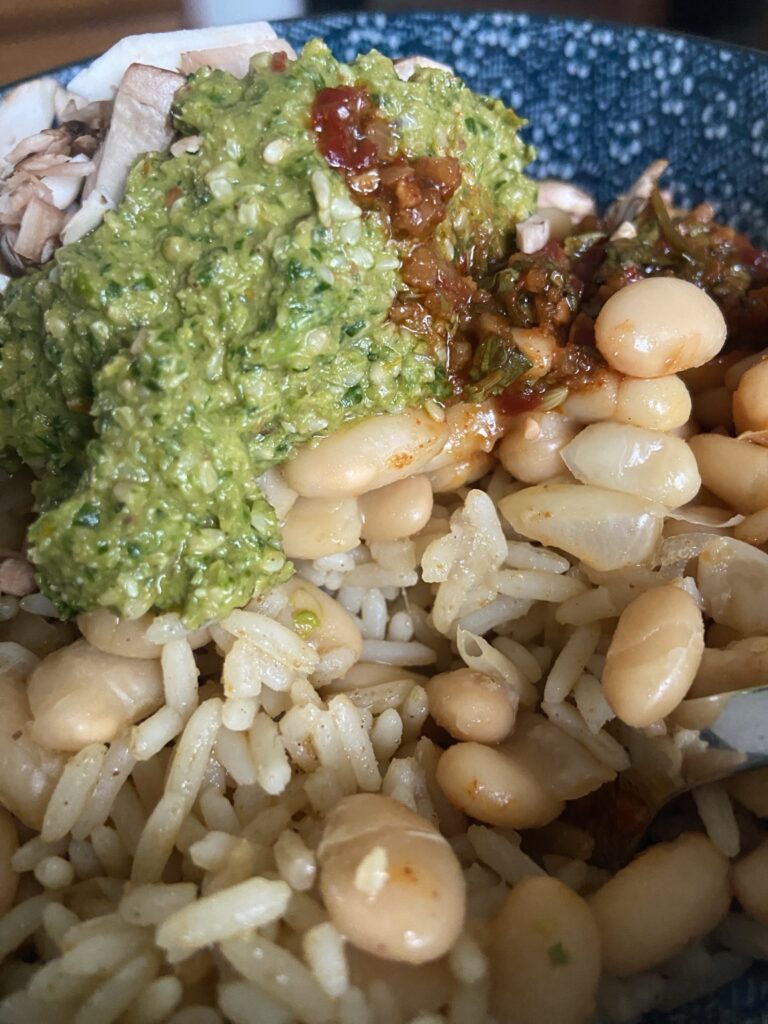
- Stir a spoonful through warm rice or grains after cooking.
- Toss with roasted vegetables or steamed greens.
- Use as a finishing sauce for tofu, beans, or mushrooms.
- Thin with water and citrus for a dressing or drizzle.
- Fold into soups and stews near the end of cooking for a fresh herb note.
- Spread a thicker blend on sandwiches, wraps, or toast.
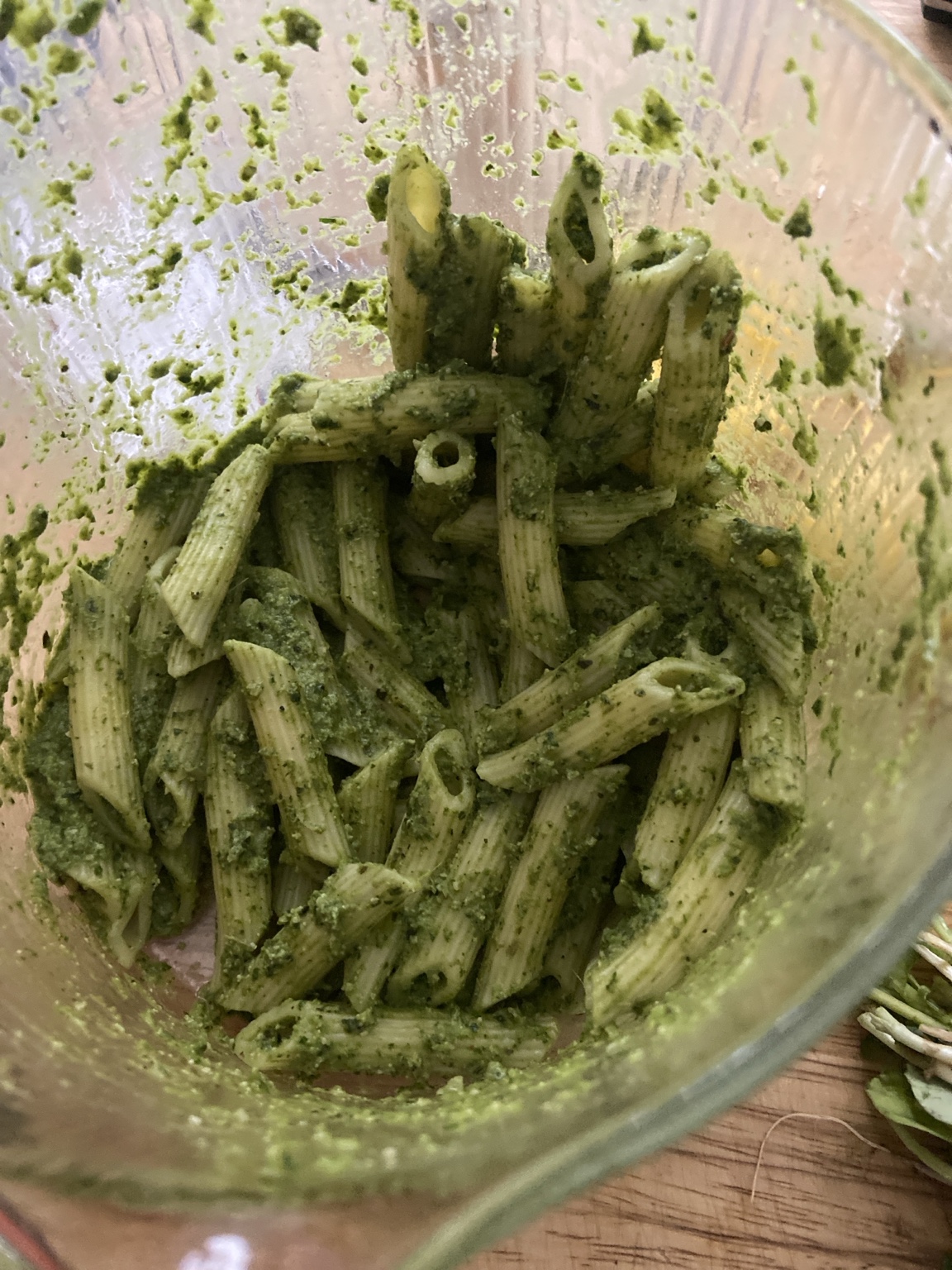
- Mix a little into a savory bowl or plant-based pasta dish.

Build your own green blend
You don’t need a recipe to start. Most of my blends follow the same simple pattern, so you can make one from whatever is in your refrigerator. Use the amounts below as a starting point, then taste and adjust as you go.
- Greens and herbs (the base): about 4 loosely packed cups. Lean on milder leaves like parsley, spinach, or basil, and add a smaller handful of stronger ones like cilantro, dill, watercress, lovage, or carrot tops.
- Aromatics: 2 to 4 garlic cloves, plus green onion, shallot, or garlic scapes.
- Acid: the juice of half to one whole lemon or lime, to wake up the flavor.
- Richness: ¼ to ½ cup seeds or nuts (pumpkin seeds, sunflower seeds, sesame seeds, or cashews), or half an avocado.
- Oil and liquid: start with about ⅓ cup oil, then add water a spoonful at a time until the blend moves the way you want.
- Seasoning: salt and pepper, plus whatever suits the meal: chili, nutritional yeast, or a favorite seasoning blend.
Choose your texture. For a thick spread, keep the liquid low and add more seeds. For a pesto, add just enough oil to bring it together. For a sauce or dressing, keep adding water and citrus until it pours.
Balance it. Too bitter? Add more lemon, a pinch of salt, or a little more seeds or avocado. Too sharp or garlicky? Add another handful of mild greens. Tastes flat? It usually needs salt and acid.
Zero-waste greens worth saving
Some of the best flavor in a blend comes from the parts many people throw away. Here is what I save, and how each one tastes:
- Carrot tops: grassy and a little bitter. Mix them with milder herbs like parsley or basil rather than using them alone.
- Herb stems (parsley, cilantro, dill): tender stems blend smoothly and carry plenty of flavor. Trim off only the tough, woody ends.
- Garlic scapes and green onion tops: bold garlic and onion flavor. A few go a long way.
- Celery leaves: strong and savory. A small handful is plenty.
- Radish greens: peppery. Use them young and tender.
- Beet and turnip greens: earthy. Best in small amounts with plenty of lemon.
- Fennel fronds: light and sweet, with a gentle anise note.
- Broccoli leaves: mild and a lot like kale.
Only blend parts you know are edible. Rhubarb leaves, for example, are toxic and never belong in a blend. Wash scraps well and use them while they are still fresh.
Inside my GreenHouzeEatz green-blend kitchen
These are my kitchen notes, not measured recipes, because most of these blends were made by taste and by what the harvest gave me. As I perfect each one, it will get its own full printable recipe.
October Savory Green Herb Blend
What went in: Watercress, basil, parsley, fresh methi (fenugreek leaves), green onion, shallot, garlic, lemon juice, olive oil, grapeseed oil, and my homemade celery-parsley-sage green salt.
How I use it: A fresh cooking-herb concentrate or finishing sauce.
October Citrus Green Herb Blend
What went in: Everything in the savory blend, plus cilantro, lime juice, and sunflower oil.
How I use it: A bright, citrus-forward variation.
August Green Blend #1
What went in: Basil, carrot tops, parsley, onion, garlic, garlic scapes, salt, pepper, thyme, olive oil.
How I use it: An all-purpose savory green seasoning.
August Green Blend #2
What went in: Basil, celery, carrot tops, parsley, shishito peppers, garlic, garlic scapes, salt, pepper, olive oil, sunflower oil.
How I use it: A pepper-forward cooking sauce. Stir it into beans or rice, or spoon it over roasted vegetables.
Summer Garden Pesto
What went in: Basil, carrot tops, spinach, dill stems, lovage, green garlic scapes, green onion, pumpkin seeds, nutritional yeast, olive oil, water, lemon juice, salt.
How I use it: Stirred through rice to make green rice.
June Garden Green Sauce
What went in: Pumpkin seeds, nutritional yeast, garlic scapes, green onions, parsley, cilantro, carrot tops, oregano, dill, lovage, lemon juice, cold-pressed olive oil, filtered water, Himalayan salt, pepper, lemon-pepper seasoning, Badia green seasoning, hot red-pepper powder.
How I use it: Stirred into a leftover stew to bring it back to life.
GreenHouze Living Green Emulsion
What went in: Watercress, parsley, basil, cilantro, mint, ½ cup raw pumpkin seeds, 5–6 garlic cloves, 2 thick green onions, 1 lemon, ¾ cup cold-pressed olive oil, ¼ cup nutritional yeast, red-pepper flakes, homemade onion-garlic skin powder, lemon pepper, salt, pepper, and ½ to 1 cup filtered water.
How I use it: A rich, creamy emulsion for sauces and dressings.
Dill Cashew Cream: The Balance Blend
What went in: 1 cup raw cashews, ¼ cup olive oil, about 1 cup plant milk, ½ cup dill, 1 tablespoon lemon or lime juice, garlic powder, onion powder, salt, pepper, and Badia Complete Seasoning. Optional: fresh garlic, parsley, cilantro, green onion, or methi.
How I use it: A creamy, herbaceous sauce or dressing.
Inner Garden Spread
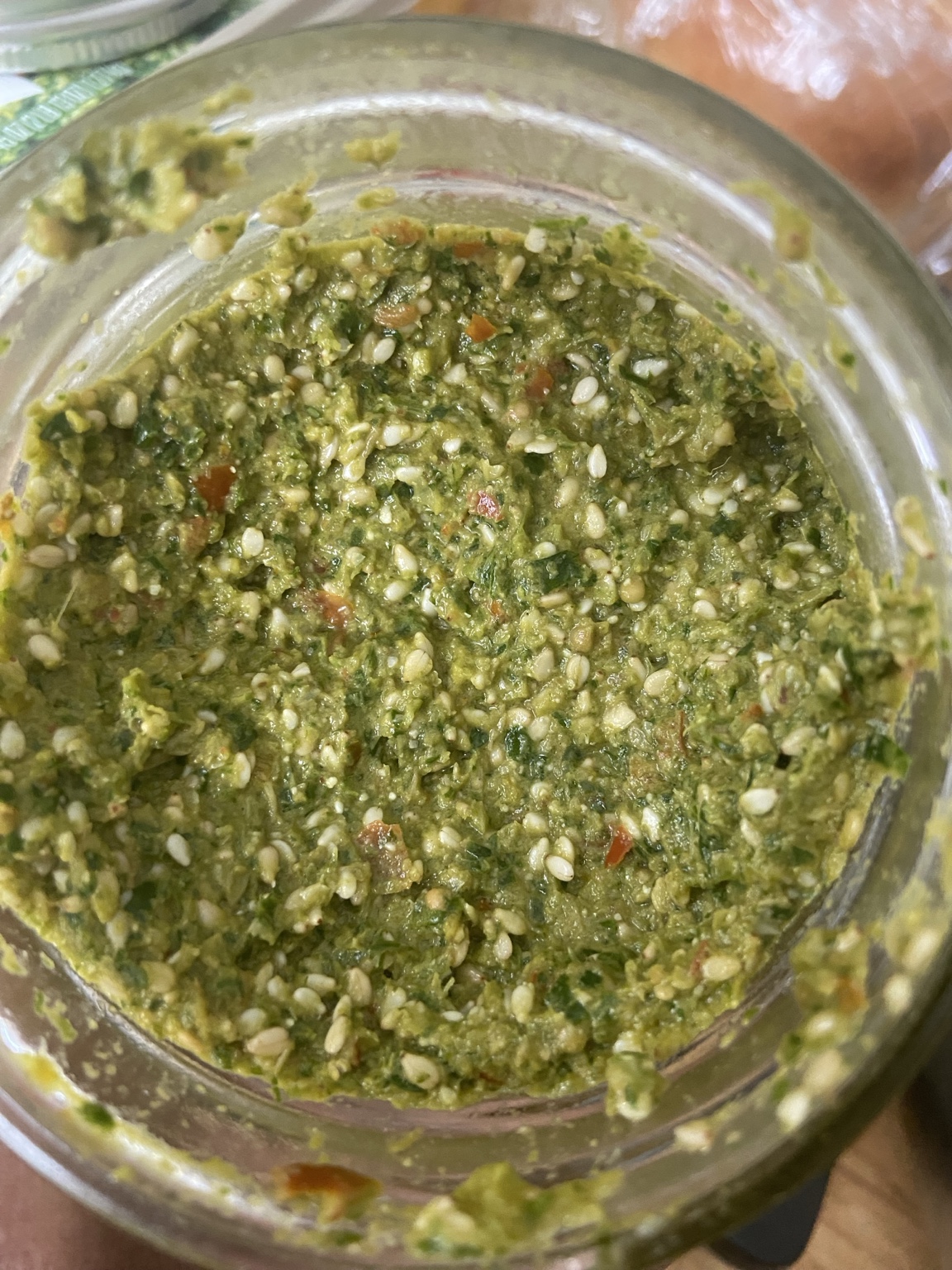
What went in: 1½ bunches flat-leaf parsley, 1 bunch cilantro, 5 mini peppers, 15–20 cherry tomatoes, ¼ cup sesame seeds, 2 tablespoons nutritional yeast, garlic, red onion, lemon juice, oil, water, salt, and garlic powder.
How I use it: A thick, pesto-style spread or condiment.
Green Smoothie Blend
What went in: Parsley, cilantro, avocado, and berries.
How I use it: A smoothie, kept separate from my savory blends.
Storing fresh blends safely
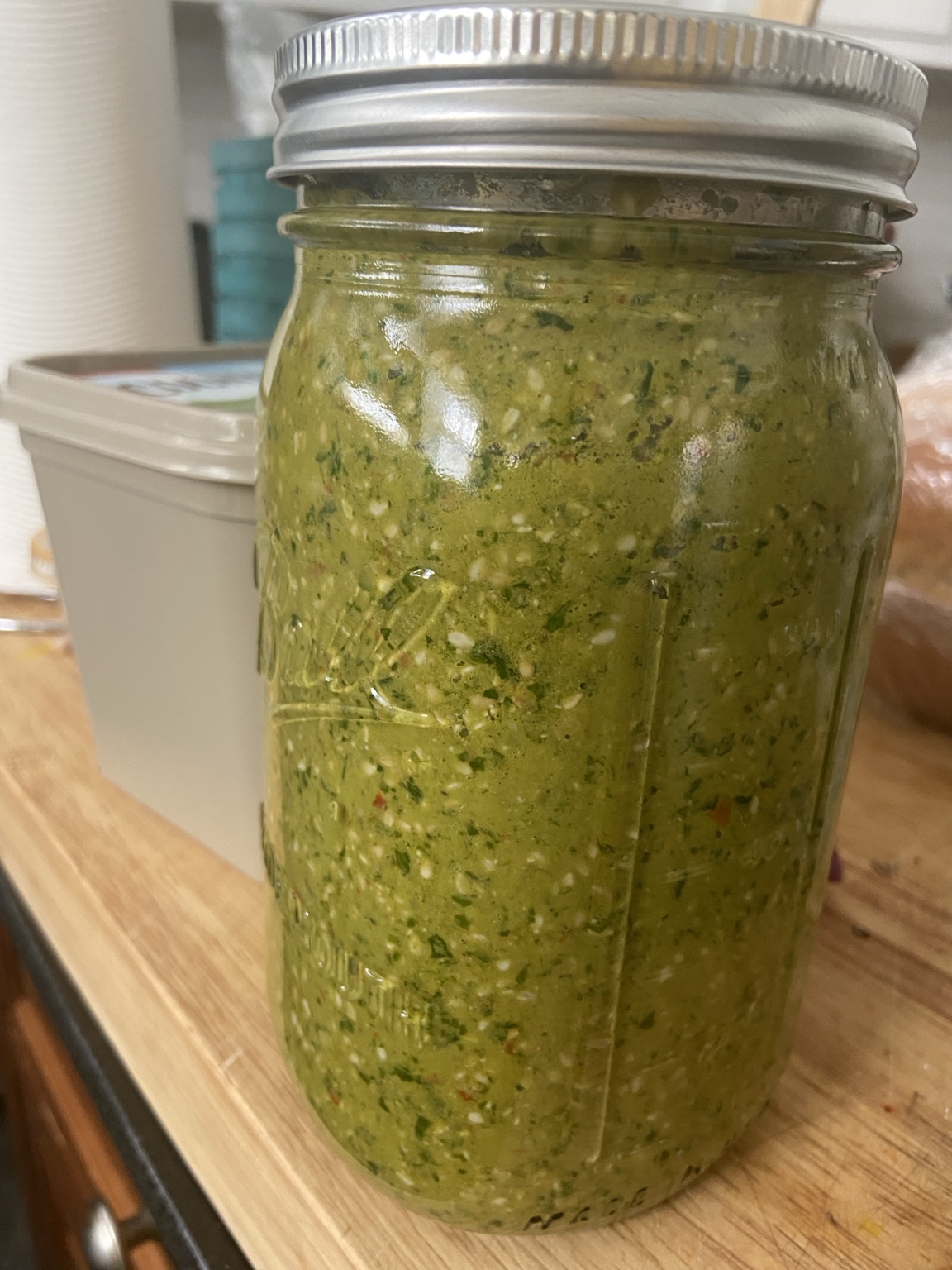
These are fresh, perishable preparations, not shelf-stable preserves. Refrigerate them promptly in clean, covered containers and use them within 3–4 days, or freeze portions for later. Never keep homemade garlic-in-oil herb blends at room temperature. If a blend smells or looks questionable, throw it out. Harmful bacteria don’t always announce themselves.
A note on individual needs
Greens can be a nutrient-rich addition to meals, but they are not a cure or a substitute for medical care. If you take warfarin, keep your vitamin K intake consistent and talk with your clinician before changing your diet. Be mindful of seed and nut allergies, and adjust sodium and oils to your own needs.
What Eatz within the GreenHouze are you feeding yourself?
My green blends remind me that nourishing meals don’t have to be complicated. Sometimes it starts with what’s already in the refrigerator, what came home from the farm, and the willingness to see possibility in ingredients we might otherwise overlook.
Tell me in the comments: which green would you blend first?
Plant. Heal. Evolve. One blend, one bowl, one intentional choice at a time.